
History and Architecture of Bodrum Castle
Bodrum Castle was built at the beginning of the 15th century AD by the Knights of St. John. Because the knights were a multinational organization, each nationality built its own tower in its own style, resulting in French, Spanish, German, Italian, and English towers within the castle.
The remnants of the Mausoleum, one of the Seven Wonders of the Ancient World, were used as building materials during the construction of the castle, and traces of the ancient world can still be seen on the walls. During the Ottoman period, a minaret and a bath were added to the chapel, and the castle is included in the UNESCO Tentative World Heritage List with its multi-layered cultural perspective.
General Directorate of Cultural Assets and Museums — Bodrum
Underwater Archaeology Collections and Shipwrecks
Operating since 1964, the museum holds a rich collection of underwater artifacts dating from the 16th century BC to the 16th century AD. The vast majority of these items were uncovered during underwater excavations conducted along the Turkish coasts starting in 1960.
The Ministry of Culture and Tourism’s museum presentation highlights collections including Late Bronze Age shipwrecks, the Serçe Limanı Glass Wreck, the Tektaş Wreck, the Bozukkale Archaic Wreck, and the Yassıada shipwrecks. Dating back to the 14th century BC, the Uluburun Shipwreck is considered the 20th-century’s greatest discovery in underwater archaeology due to its rich variety of finds and its reflection of the earliest period of international maritime trade.
General Directorate of Cultural Assets and Museums — Bodrum
Amphora Exhibition and Land Finds
The Ministry’s museum promotion describes the collection as one of the world’s largest amphora collections, tracing amphorae used in the Mediterranean world from the 16th century BC to the 12th century AD. The same institutional narrative also covers the birth of underwater archaeology in Turkey thanks to sponge divers from Bodrum.
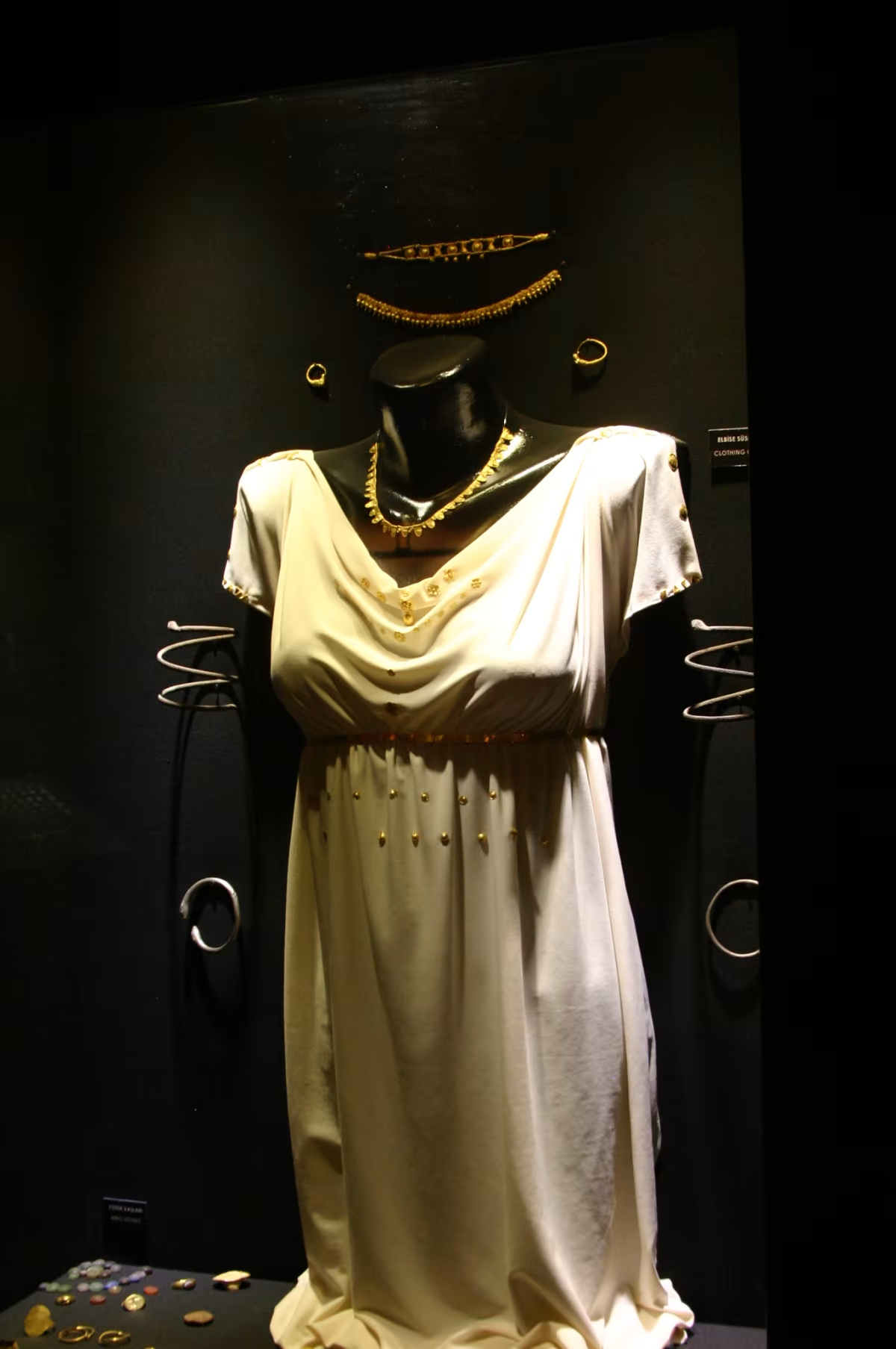
In addition to underwater discoveries, the Ministry’s museum presentation features sections on Early Bronze Age Necropolises, the Müsgebi Necropolis, the Halicarnassus Eastern Necropolis, the Carian Princess, and Pedasa. These land finds provide a separate context for reading the archaeological past of the Bodrum Peninsula alongside its marine discoveries.