Muğla Museum is a general-purpose cultural and historical institution that opened its doors to visitors in 1994. Located on Müştak Bey street, the building originally served as the city prison of Muğla. Following comprehensive restoration work, the structure was successfully transformed into a museum dedicated to preserving and exhibiting the local heritage.
Architecturally, the museum consists of three main sections gathered around a courtyard filled with ancient ruins and statues, along with an art gallery. Hosting Turkey's first Natural History Museum within its structure, the institution features a rich exhibition layout that brings together multiple disciplines. Housing thousands of items, the museum complex offers visitors a wide spectrum ranging from natural history and archaeology to ethnography.
One of the most fascinating parts of the museum is the Natural History Section, also known as the Turolian Park. This area exhibits fossils of animals and plants that lived 5 to 9 million years ago, discovered during excavations carried out in the late 1992 at Kaklıcatepe in Özlüce Village.
The excavations at Kaklıcatepe yielded fossils belonging to giraffes, bovids, rhinoceroses, proboscideans, suids, equids, and carnivores, alongside numerous plant fossils. Because fossils from this period—representing creatures that once lived and became extinct across a vast area stretching from East Asia to Spain—were first found in Spain's Tervel Basin, this geological period is named Turolian.
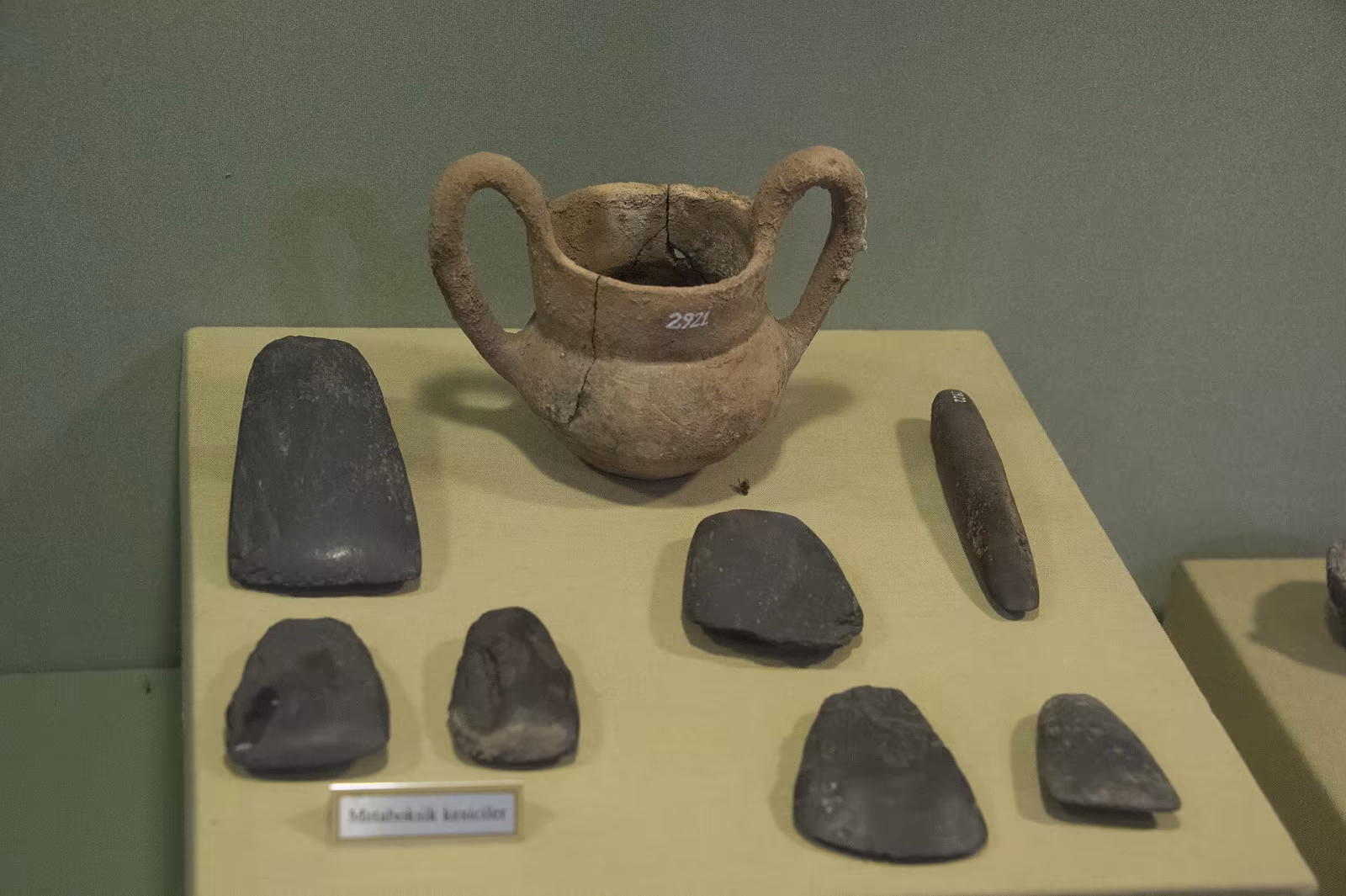
In the archaeology section, findings mostly recovered from ancient city excavations in the surrounding region are exhibited. Within this scope, artifacts unearthed from the ancient city of Stratonicea in the Yatağan district, as well as finds from Lagina and the ancient city of Cedrae on Sedir Island, are displayed in the museum collection. The archaeology hall also features the skeleton of a gladiator for visitors to observe.
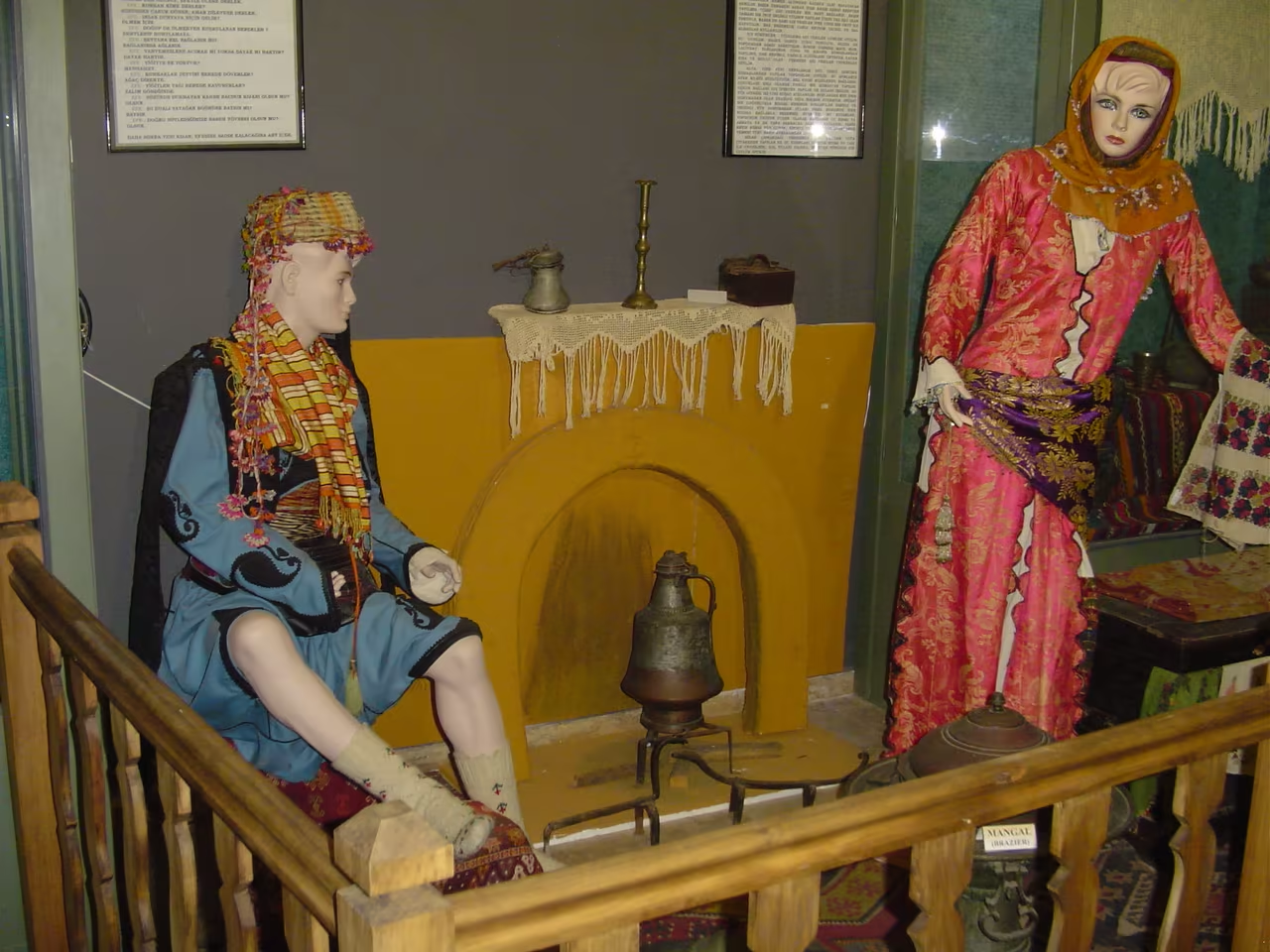
The ethnography section houses clothing, garments, and everyday tools gathered from various areas of Muğla across different periods. These items vividly illustrate the past lifestyles, traditions, and handicrafts of the local people.
Today, visitors entering Muğla Museum pass through a courtyard adorned with ancient remnants before exploring the three main halls dedicated to natural history, archaeology, and ethnography. Housing thousands of distinct items, the building continues to serve as an important cultural center carrying traces of the past into the present.
Wikimedia research dossier · Last checked: 2026-09-24 00:57:35